- The Next Input by Cylentis AI
- Posts
- 🎮 The Next Input — Issue #115
🎮 The Next Input — Issue #115
Doctors Don't Want Your Chatbot

Aaron Bost
January 14, 2026
In partnership with


⚡ The Briefing — 60 sec
US approves AI chip sales — for now
Approved… until Trump changes his mind. Policy by mood ring remains undefeated.New AI lie-detection research focuses on eye movement
Hint: it’s all in the eyes. Turns out your pupils might be snitching before your mouth does.Doctors say AI belongs in healthcare — just maybe not as a chatbot
Let’s trust the doctors on this one. Helpful assistant? Yes. Bedside banter? Maybe not.
🛠️ The Playbook — The Clinical Assist Layer (No Chatbot Energy)
Mission Deploy AI in healthcare workflows where it actually helps clinicians—without pretending it’s a doctor.
Difficulty Advanced
Build time 3 hours
ROI Improves accuracy and speed in clinical tasks while reducing risk and clinician burnout.
0) Why This Matters
Healthcare doesn’t need another conversational interface.
It needs quiet, reliable systems that surface the right information at the right moment—labs, imaging, notes, risk flags—without theatrics.
This layer puts AI where clinicians already work, not where marketing wants it.
1) Architecture
Component | Tool | Purpose |
|---|---|---|
Data Intake | EHR / Imaging Feeds | Pull structured clinical data |
Signal Engine | Claude 4.5 Haiku | Detect anomalies and patterns |
Decision Support | GPT-5-mini | Generate non-diagnostic suggestions |
Context UI | In-workflow Panels | Surface insights inline |
Audit & Safety | Secure Logs | Trace every suggestion |
2) Workflow
Clinical data updates (labs, vitals, imaging metadata).
Claude 4.5 Haiku scans for deviations and risk signals.
GPT-5-mini converts signals into concise, non-diagnostic notes:
“review medication interaction”
“consider additional test”
“pattern matches prior cases”
Insights appear inline in the clinician’s existing system.
Clinician accepts, ignores, or escalates.
Outcomes feed back into model tuning.
3) Example Prompts
Signal Detection (Claude 4.5 Haiku)
Scan this clinical data for:
- abnormal patterns
- deviations from baseline
- potential risk indicators
Do not diagnose.
Return concise flags only.
Decision Support (GPT-5-mini)
Translate these flags into:
- possible next steps
- questions to consider
Avoid diagnoses or treatment plans.
Be concise.
4) Guardrails
No diagnoses. Ever.
No patient-facing output by default.
Suggestions must cite source data.
Clinician remains final authority.
5) Pilot Rollout — 3 hours
Choose one narrow use case (labs review, imaging triage).
Integrate read-only data access.
Test signal quality on historical cases.
Review with clinicians.
Tighten thresholds.
Roll out to a small cohort.
6) Metrics
Time saved per case review
Clinician acceptance rate
False-positive rate
Missed-signal audits
Clinician trust score
Pro Tip: In medicine, silence is a feature. If the system isn’t confident, it should shut up.
🎯 The Arsenal — Tools & Platforms
Medplum · Healthcare backend primitives · https://www.medplum.com
FHIR APIs · Standardised clinical data access · https://www.hl7.org/fhir
Supabase · Secure, auditable data logging · https://supabase.com
Grafana · Monitor signals and outcomes over time · https://grafana.com
Copy-paste prompt block:
Assist clinicians quietly.
Surface signals, not answers.
Cite data.
If uncertain, stay silent.
💡 Free Office Hours
Want help implementing anything? Book a free 15-minute Office Hours slot—no sales pitch, just workflows solved.
What makes a great ad in 2026?
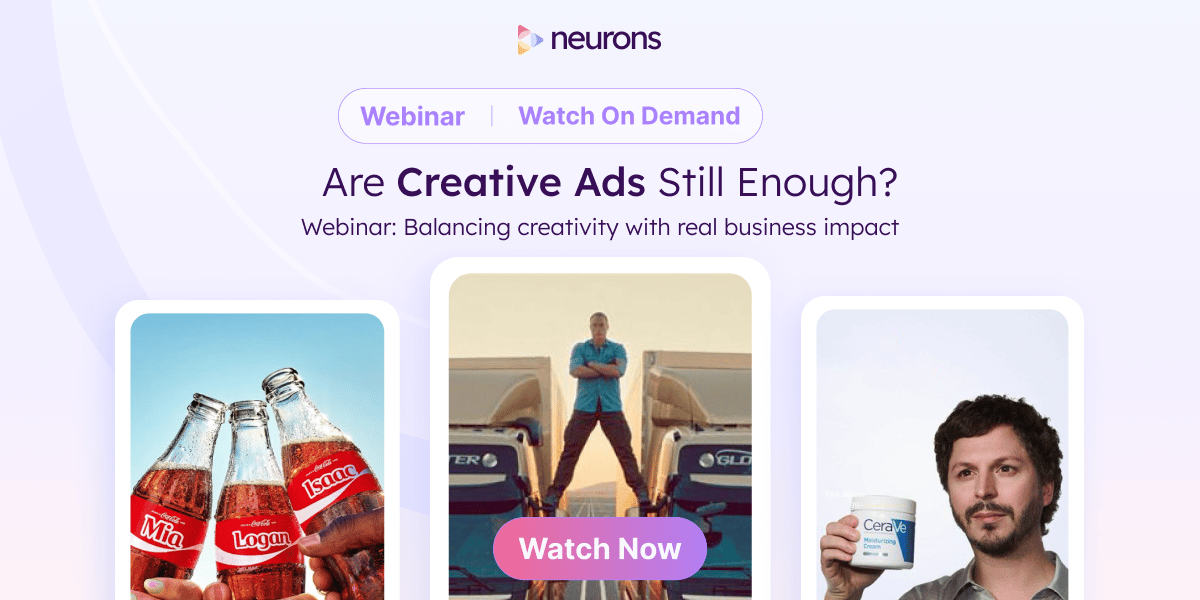
If you want to know the core principles of high-performing advertising in 2026, join our educational webinar with award-winning creative strategist Babak Behrad and Neurons CEO & Founder Thomas Z. Ramsøy.
They’ll show you how standout campaigns capture attention, build memory, and anchor brands. You’ll walk away with clear, practical rules to apply to your next campaign.
You’ll learn how to:
Apply neuroscientific principles to every campaign
Build powerful branding moments into your ads
Make your ads feel relevant to your audience
Master the art of high-impact campaigns in an era of AI-generated noise and declining attention spans
🕹️ Game Over
In healthcare, the best AI knows when not to talk.
— Aaron Automating the boring. Amplifying the brilliant.
Subscribe: https://cylentisai.beehiiv.com/subscribe