- The Next Input by Cylentis AI
- Posts
- The Next Input — Issue #098
The Next Input — Issue #098
The AI That Remembers Your Customers

Aaron Bost
December 08, 2025
In partnership with


⚡ The Briefing — 60 sec
Riyadh Air and IBM partner to launch the world’s first “AI-native” airline
AI airlines? If it knows my favourite drink at 33,000 ft, we’re cooking. If it forgets… we riot.China and the US ramp up tech and engineering plans as Australia rethinks its AI role
We’re neutral here at The Next Input—but it is good to see someone other than the US holding the AI crown. Keeps the field competitive.OpenAI reportedly set to drop GPT-5.2 within 48 hours
Oh yeah—5.2 is basically here. Might be a good week to clear your calendar.
🛠️ The Playbook — The Multimodal Customer Memory Engine
Mission Create a system that remembers customer preferences—across text, voice, images, and behaviour—and serves them personalised experiences automatically.
Difficulty Advanced
Build time 3–4 hours
ROI Unlocks “they remembered that?” moments that turn users into loyalists.
0) Why This Matters
If airlines are going “AI-native,” customer memory becomes the new battleground.
Whether it’s a drink order, a product preference, or an onboarding style—people respond to being known.
This engine gives your product that same superpower without creepy overreach.
1) Architecture
Component | Tool | Purpose |
|---|---|---|
Intake | Forms, chat logs, uploads | Raw preference signals |
Encoder | Claude 4.5 Sonnet Vision | Turn text/images into structured attributes |
Behaviour Analyser | GPT-5-mini | Identify patterns + inferred preferences |
Memory Store | Postgres / Supabase | Long-term profile storage |
Personalisation Layer | API or App Logic | Serve tailored responses in real time |
2) Workflow
Collect signals: text chats, voice transcripts, uploads, app behaviour.
Claude 4.5 Sonnet processes content into structured traits—tone, likes/dislikes, recurring choices.
GPT-5-mini infers behavioural preferences:
likely purchase style
communication tone
content length preferences
Store all attributes in Supabase with timestamps + confidence levels.
When user interacts again, system retrieves their top attributes and applies them to:
responses
recommendations
notifications
UI layout
product options
Continuously refine memory based on new signals.
3) Example Prompts
Preference Extraction (Claude 4.5 Sonnet)
From the user's message history, extract:
- explicit preferences
- implicit preferences
- habits or repeated behaviours
Return structured attributes with confidence scores.
Behaviour Inference Prompt (GPT-5-mini)
Looking at these attributes, infer:
- likely communication tone the user prefers
- how they make decisions (fast, methodical, visual-first, etc.)
- ideal content length
Keep it simple and actionable.
4) Guardrails
Never store sensitive categories (race, health, religion, etc.).
All preferences must be user-controlled and editable.
Use confidence scoring—don’t assume consistency from one-off signals.
Clear data-retention policy (rolling 12 months is common).
5) Pilot Rollout — 3 hours
Build a Supabase
customer_profiletable.Run 20 real conversations through the extraction pipeline.
Validate attributes manually to tune accuracy.
Create a simple API endpoint to fetch + apply preferences.
Test personalised replies in a staging environment.
Roll out progressively to 10% of users.
6) Metrics
Attribute accuracy (manual review)
Increase in response satisfaction
Repeat engagement rate
Reduction in support friction
Personalisation-driven conversions
Pro Tip: Use a “memory decay” curve—recent signals weigh more, older ones fade. Keeps the system from clinging to outdated personas.
🎯 The Arsenal — Tools & Platforms
Supabase Edge Functions · Real-time storage + retrieval of user profiles · https://supabase.com
Segment · Capture behavioural signals from every touchpoint · https://segment.com
Mixpanel · Analyse preference impact on engagement · https://mixpanel.com
Resend · Send personalised emails using customer memory variables · https://resend.com
Copy-paste prompt block:
Extract user preferences from:
- explicit statements
- repeated behaviours
- tone patterns

Output structured attributes with confidence levels.
💡 Free Office Hours
Want help implementing anything? Book a free 15-minute Office Hours slot—no sales pitch, just workflows solved.
Create how-to video guides fast and easy with AI
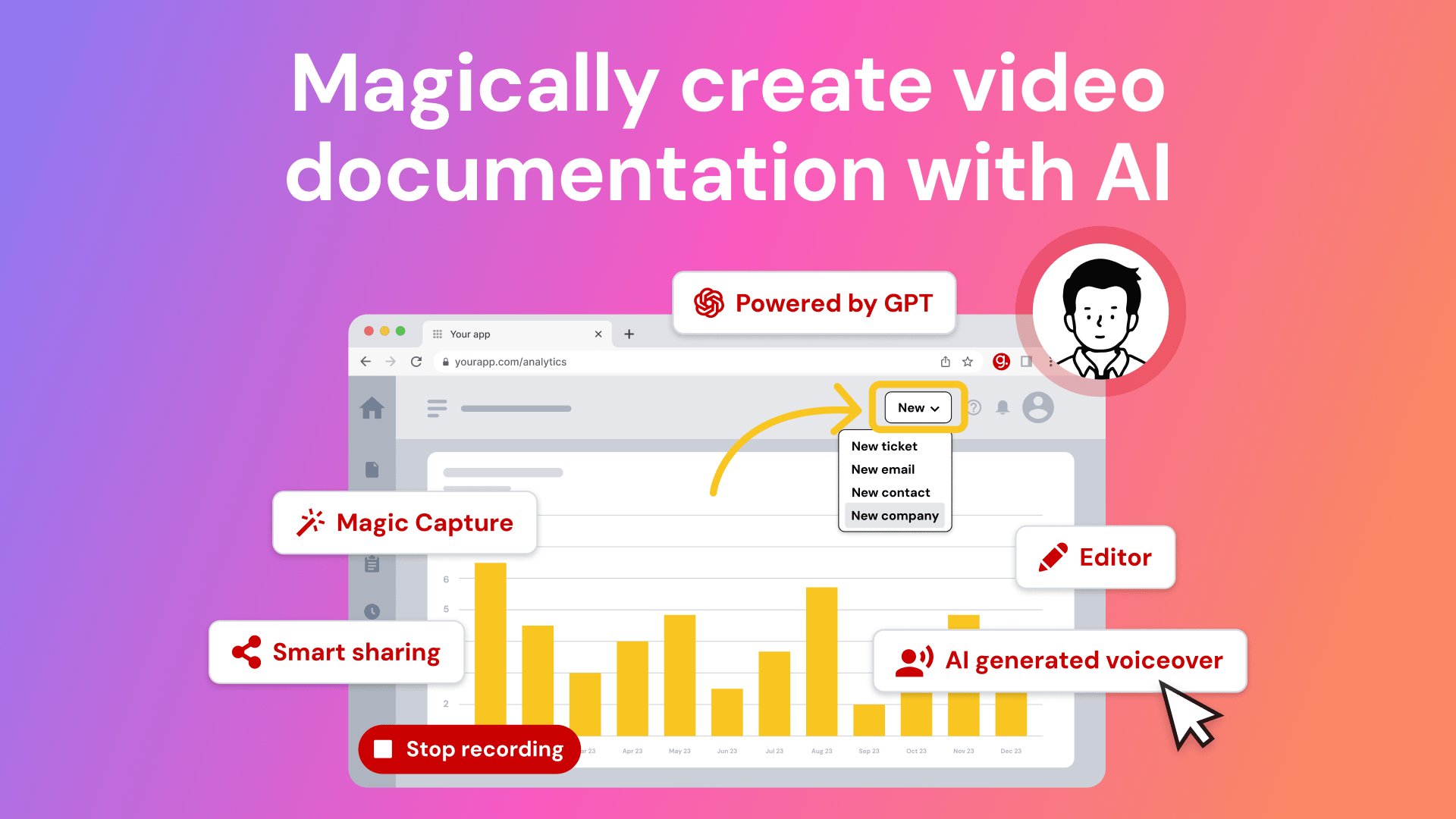
Tired of explaining the same thing over and over again to your colleagues?
It’s time to delegate that work to AI. Guidde is a GPT-powered tool that helps you explain the most complex tasks in seconds with AI-generated documentation.
1️⃣Share or embed your guide anywhere
2️⃣Turn boring documentation into stunning visual guides
3️⃣Save valuable time by creating video documentation 11x faster
Simply click capture on the browser extension and the app will automatically generate step-by-step video guides complete with visuals, voiceover and call to action.
The best part? The extension is 100% free
🕹️ Game Over
Personalisation isn’t magic—it's memory used well.
— Aaron Automating the boring. Amplifying the brilliant.
Subscribe: https://cylentisai.beehiiv.com/subscribe