- The Next Input by Cylentis AI
- Posts
- 🎮 The Next Input — Issue #081
🎮 The Next Input — Issue #081
Your AI Coding Team is Ready

Aaron Bost
October 30, 2025
In partnership with


⚡ The Briefing — 60 sec
Nvidia becomes the first public company to hit a $5 trillion valuation. $5 TRILLION?! Somewhere, Jensen Huang just ordered a solid-gold GPU.
Cursor 2 pivots to multi-agent AI coding with its new Composer model. Having tested nearly all of them—trust me—we’re one step away from the anyone can code moment. This one’s pure 🔥.
Google upgrades NotebookLM with custom personas and an engine overhaul. The ultimate sleeper app keeps leveling up. If you’re new to AI tools, start here—you won’t regret it.
🛠️ The Playbook — Multi-Agent Dev Factory: The "Composer" Workflow
Mission Build your own collaborative multi-agent coding environment—powered by multiple specialized AIs (Planner, Builder, Reviewer)—to go from concept → production-ready code automatically.
Difficulty Expert | Build time 5–7 hours (pilot)
ROI Cuts prototyping and debugging cycles by ≈ 60–75%, enabling teams (or individuals) to “ship daily” instead of weekly.
0) Why This Matters
With Cursor 2’s Composer model and multi-agent coding entering the mainstream, software development is officially moving from “human-managed” to “AI-orchestrated.”
Instead of one LLM writing everything, you’ll now have teams of models—each handling planning, generation, and QA in sync.
This playbook shows you how to replicate that workflow in-house using Claude 4.5 Sonnet and GPT-5-mini for multi-agent orchestration.
1) Architecture
Agent | Model | Role | Key Tasks |
|---|---|---|---|
Planner | GPT-5-mini | Breaks down user requirements into technical milestones and files | |
Builder | Claude 4.5 Sonnet | Writes code for each module with detailed comments | |
Reviewer | Claude 4.5 Haiku | Checks syntax, logic, and optimizations | |
Tester | AgentKit / Code Interpreter | Executes tests, captures errors, generates bug reports | |
Memory | Supabase | Stores version diffs, logs, and summaries | |
Coordinator | LangGraph / CrewAI | Manages inter-agent communication and task order |
2) Workflow
User Request:
“Build a simple web app that tracks gym sessions and syncs to Google Calendar.”
Planner Agent (GPT-5-mini):
Breaks down into subtasks → API endpoints, UI structure, DB schema.
Builder Agent (Claude 4.5 Sonnet):
Generates core code modules in parallel (frontend + backend + auth).
Reviewer Agent (Claude 4.5 Haiku):
Performs static analysis → flags redundant imports, missing error handling.
Tester Agent:
Runs all test cases → logs bugs to Supabase DB.
Coordinator:
Sends errors back to Builder → fixes → retests → deploys stable build.
3) Example Prompts
Planner Prompt (GPT-5-mini)
SYSTEM: You are a senior project architect.
INPUT: {user_feature_request}
TASK: Break down this request into smaller coding tasks.
Return JSON:
{
 "features": ["..."],
 "files_to_create": ["index.js", "api/routes.js", ...],
 "dependencies": ["React", "Express", "Supabase-js"],
 "estimated_hours": "..."
}
Builder Prompt (Claude 4.5 Sonnet)
SYSTEM: You are a code generator collaborating with other agents.
INPUT: {planning_json}
TASK: Generate clean, modular code for each file listed.
Rules:
- Add comments explaining logic.
- Include TODOs for unfinished dependencies.
- Follow the company’s ESLint + Prettier rules.
Reviewer Prompt (Claude 4.5 Haiku)
SYSTEM: You are a code reviewer.
INPUT: {generated_code}
TASK:
1. Check for logic or syntax errors.
2. Suggest optimizations.
3. Rate overall readability (1–10).
Return concise Markdown feedback with fixed snippets where applicable.
4) Guardrails
Execution Sandbox: All test runs isolated from production systems.
Audit Trail: Supabase logs each agent’s decision + commit summary.
Auth Policy: Only Coordinator has permission to merge code.
Code Quality Score: Flag any file with readability <7 for rewrite.
5) Pilot Rollout — 5 Hours
Spin up a shared Replit / VSCode environment.
Configure LangGraph to chain GPT-5-mini → Claude 4.5 Sonnet → Claude 4.5 Haiku.
Run one internal “mini-project” (e.g., internal dashboard).
Test runtime: how fast can the system go from spec → MVP?
Log iterations and improvements.
6) Metrics
Code quality (avg review score).
iterations per feature before stable build.
Avg generation-to-deploy time.
Bug rate before/after review.
Pro tip: Add a fourth “Docs Agent”—tasked solely with generating documentation and README updates automatically after every merge. It’s like having a ghost technical writer on payroll.
🎯 The Arsenal — Tools & Prompts
Asset | What it does | Link |
|---|---|---|
Claude 4.5 Sonnet | Core code generation with natural logic flow. | |
Claude 4.5 Haiku | Reviewer-grade model for fast code validation. | |
GPT-5-mini | Ideal for planning and modular task breakdown. | |
LangGraph | Multi-agent orchestration framework. | |
Prompt · Multi-Agent Chain | Orchestrates handoff logic between agents. |
You are the Coordinator.
Chain agents in order: Planner → Builder → Reviewer → Tester.
Monitor status; halt if errors exceed threshold or quality <7.
Summarise final outputs in Markdown.
💡 Free Office Hours
Want to set up your own AI multi-agent dev team?
Book a free 15-minute Office Hours slot—no sales pitch, just workflows solved.
Create how-to video guides fast and easy with AI
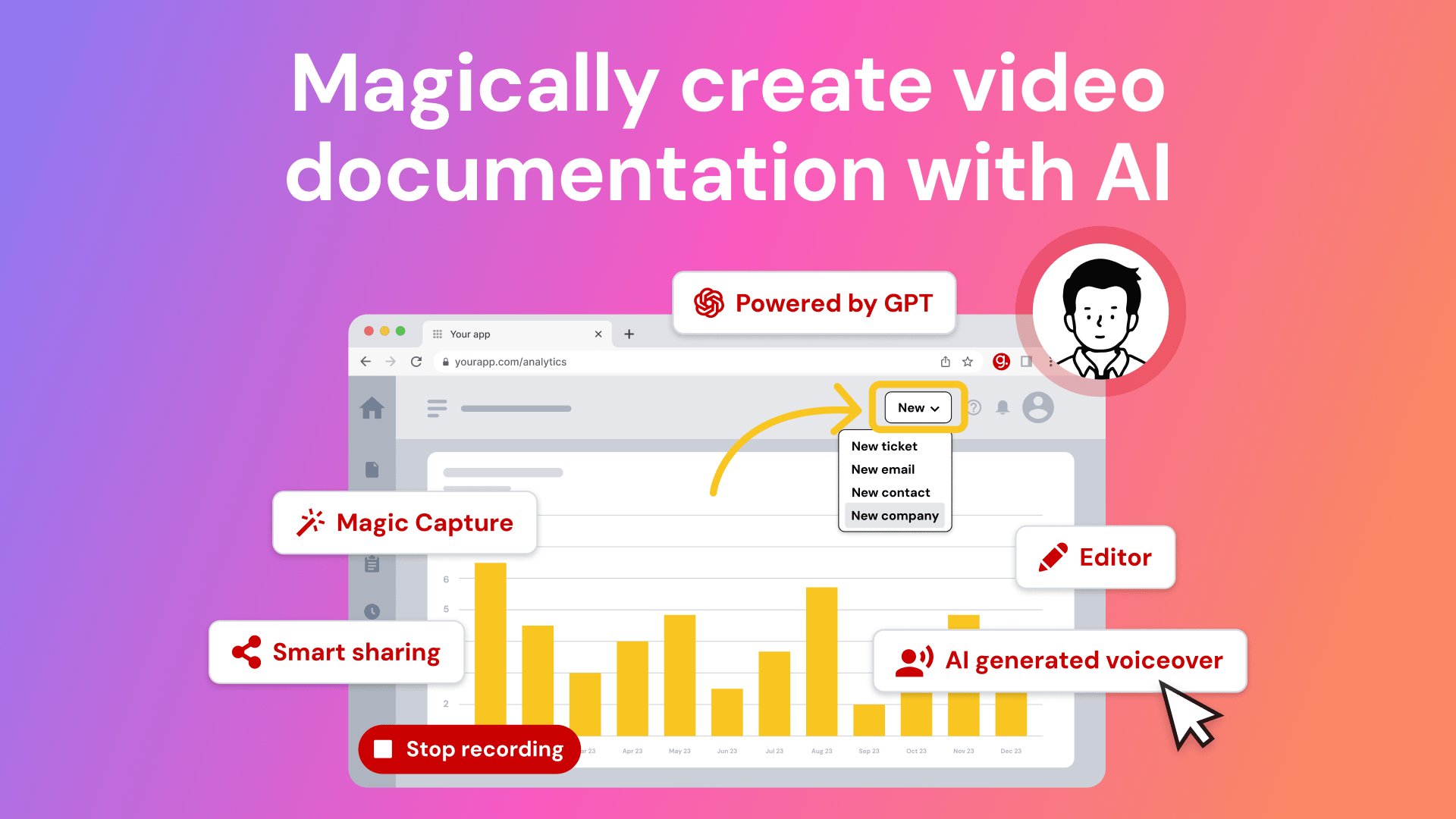
Tired of explaining the same thing over and over again to your colleagues?
It’s time to delegate that work to AI. Guidde is a GPT-powered tool that helps you explain the most complex tasks in seconds with AI-generated documentation.
1️⃣Share or embed your guide anywhere
2️⃣Turn boring documentation into stunning visual guides
3️⃣Save valuable time by creating video documentation 11x faster
Simply click capture on the browser extension and the app will automatically generate step-by-step video guides complete with visuals, voiceover and call to action.
The best part? The extension is 100% free
🕹️ Game Over
Spin up your Composer-style dev agents today—by next week, your projects will write, review, and refactor themselves.
Share your win; you could headline Issue #082.
— Aaron
Automating the boring. Amplifying the brilliant.
Forwarded this? Subscribe here